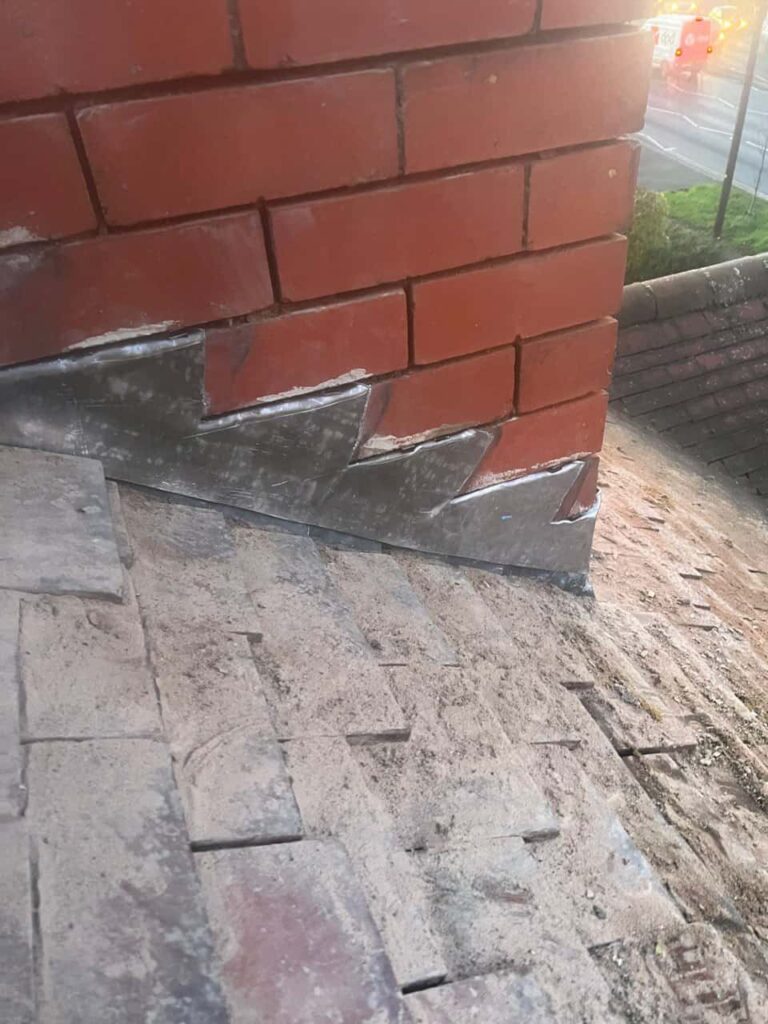
Leadwork Essentials Every Property Owner Should Understand
When homeowners think about roofing, they often focus on tiles or slates, but one of the most important elements of a weatherproof roof is leadwork. Properly installed leadwork protects vulnerable areas where water could otherwise enter the roof structure, making it an essential part of any reliable roofing system. Although it is often overlooked because it is less visible than the roof covering itself, lead plays a vital role in keeping properties dry and protected.
For homeowners in Bromham, Bedfordshire, understanding the purpose of roof leadwork can help identify potential issues early and ensure their roof continues to perform effectively. At ATC Roofing Bromham, we provide professional leadwork installation, repairs and maintenance to keep roofs weather-resistant and functioning as they should.
What Is Roof Leadwork?
Roof leadwork refers to the use of shaped lead sheets to create watertight seals around areas where different parts of the roof meet.
Lead is commonly installed around:
- Chimneys
- Roof valleys
- Dormer windows
- Roof junctions
- Abutments where the roof meets a wall
- Flashing around roof penetrations
These are all locations where rainwater naturally collects or changes direction, making them more vulnerable to leaks if not properly protected.
Why Lead Is Still Widely Used
Lead has been used in roofing for centuries because it offers several practical advantages.
It is highly flexible, allowing it to be shaped to fit complex roof details. It is also durable and able to withstand years of exposure to rain, wind, frost and temperature changes without losing its effectiveness.
For properties in Bromham, Bedfordshire, professionally installed leadwork provides reliable long-term protection against the elements.
Leadwork Prevents Water Ingress
The primary purpose of leadwork is to prevent water entering the roof structure.
Roof tiles and slates alone cannot always create a complete seal around roof features. Lead flashing bridges these gaps, directing rainwater safely away and preventing moisture from penetrating beneath the roof covering.
Without correctly installed leadwork, even an otherwise well-maintained roof can become vulnerable to leaks.
Common Signs of Leadwork Problems
Like any roofing component, leadwork should be inspected periodically for signs of wear or damage.
Some common indicators include:
- Visible gaps around flashing
- Lifted or loose lead sections
- Water stains inside the property
- Cracks or splits in ageing lead
- Moss or debris collecting around roof junctions
Identifying these issues early allows repairs to be completed before water causes more extensive damage.
Professional Installation Matters
Lead is a specialist roofing material that requires experience to install correctly.
It must be shaped, fixed and detailed carefully to allow for natural expansion and contraction caused by changing temperatures. Poorly fitted leadwork can become loose or fail to direct water effectively.
Professional installation ensures the lead performs as intended while maintaining the long-term integrity of the roof.
Leadwork Supports the Whole Roofing System
Lead flashing does not work in isolation. It forms part of a complete roofing system alongside tiles, underlay, ridge tiles, valleys and guttering.
When every component functions together correctly, rainwater is channelled safely away from the property. This integrated approach helps maintain a watertight roof throughout the year.
Regular Roof Inspections Help Identify Leadwork Issues
Many leadwork problems develop gradually and may not be visible from ground level.
Routine roof inspections allow experienced roofers to assess the condition of flashing, roof junctions and other vulnerable areas before leaks occur. Preventative maintenance often helps avoid more significant roofing problems in the future.
For homeowners in Bromham, Bedfordshire, regular inspections are an effective way to protect the roof over the long term.
Repairs Should Address the Underlying Cause
If leadwork becomes damaged, it is important to understand why the problem occurred.
Movement within the roof, ageing materials or poor previous installation may all contribute to leadwork failure. Professional roofers investigate the underlying cause before carrying out repairs, helping to ensure a lasting solution rather than simply treating the visible symptoms.
At ATC Roofing Bromham, we provide comprehensive leadwork inspections, repairs and installations throughout Bromham, Bedfordshire, using proven techniques and high-quality workmanship.
Conclusion
Leadwork is one of the most important yet often overlooked components of a roofing system. By protecting vulnerable roof junctions and preventing water ingress, it plays a vital role in maintaining the long-term performance of your roof. Understanding how leadwork functions and recognising the early signs of deterioration allows homeowners to address issues before they become more serious.
For property owners in Bromham, Bedfordshire, ATC Roofing Bromham provides expert leadwork services alongside professional roof repairs and maintenance. If you are concerned about the condition of your roof flashing or would like a professional inspection, our experienced team is ready to provide dependable workmanship and practical roofing solutions that help protect your property for years to come.
Call us on: 01234 982 391
Click here to find out more about ATC Roofing Bromham
Click here to complete our contact form and see how we can help with your roofing needs.